If you want to lose weight, get stronger, and improve cardiovascular health and longevity, you don’t need extreme workouts or complicated routines. You need a plan that’s consistent, progressive, and aligned with what the research shows works best:
- A sustainable calorie deficit (for fat loss)
- Strength training (to keep/build muscle and improve long-term health)
- Regular cardio (for heart health, fitness, and better weight control)
- Enough recovery to keep it repeatable week after week
This article gives you a practical weekly training plan you can follow (and scale) whether you’re a beginner or someone getting back into shape.

What the science says works
1) Fat loss requires an energy deficit
Exercise helps, but weight loss happens when, over time, you consistently burn more calories than you take in. Many evidence-based guidelines commonly recommend starting with a ~500–750 kcal/day deficit to drive steady weight loss for many adults. (Diabetes Journals)
Practical translation: you don’t need starvation. You need consistency.
2) Strength training is a “must” for body composition and longevity
Strength training doesn’t just build muscle—it supports joint health, function, and healthy aging. Research reviews and major cardiovascular organizations report that people who do resistance training have meaningfully lower all-cause mortality risk versus those who do none (often around ~15% lower in pooled analyses). (American Heart Association Journals)
Practical translation: if you’re losing weight without lifting, you’re increasing the odds you lose muscle along with fat.
3) Cardio volume matters for health—and for reducing waist/body fat
Public health guidelines consistently recommend adults get 150–300 minutes/week of moderate-intensity aerobic activity (or 75–150 minutes vigorous), plus strength training at least 2 days/week. (PMC)
And when it comes to body composition, a large meta-analysis of randomized trials found aerobic exercise produces dose-responsive reductions in weight/waist/body fat, with ≥150 minutes/week associated with clinically important reductions in waist circumference and body fat, and additional benefits up to around 300 minutes/week. (JAMA Network)
Practical translation: consistent cardio helps your heart and improves fat-loss outcomes, especially around the waist.
4) Protein + lifting helps preserve muscle during weight loss
Protein intake is not magic, but evidence supports that higher protein intake (paired with resistance training) can help support lean mass during training and body-composition change. (PubMed)
Practical translation: don’t “diet” yourself into a smaller, weaker version of you.
The training plan (12 weeks): fat loss + strength + cardio health
The weekly structure (most people do best here)
You’ll train 5 days/week, with 2 easier days baked in:
- 3 days strength (full-body)
- 2 days cardio (one easy base day + one slightly harder day)
- 2 rest / active recovery days (walking + mobility)
This aligns with major activity guidelines (aerobic + strength) and is sustainable for most adults. (PMC)
Workout Plan
Day 1 — Strength A (Full-Body)
Warm-up (5–8 min): brisk walk or bike + light mobility
- Squat pattern (goblet squat or leg press): 3×6–10
- Push (dumbbell bench or push-ups): 3×6–12
- Pull (row or lat pulldown): 3×8–12
- Hinge (Romanian deadlift or hip hinge): 2–3×6–10
- Carry or core (farmer carry or plank): 6–10 minutes total
Effort target: stop most sets with 1–2 reps in the tank.
Day 2 — Cardio Base (Zone 2)
Choose: brisk incline walk, bike, rower, easy jog.
- 30–45 minutes easy/moderate
- You can speak in full sentences
Build toward the weekly guideline range over time (150–300 min/wk). (PMC)
Day 3 — Strength B (Full-Body)
- Hinge (deadlift variation or kettlebell deadlift): 3×5–8
- Vertical push (overhead press): 3×6–10
- Vertical pull (assisted pull-ups/pulldown): 3×8–12
- Lunge pattern (split squat or step-ups): 2–3×8–12/leg
- Optional finisher (sled push, light circuit, or core): 8–12 min
Day 4 — Active Recovery
- 20–40 min easy walking (or easy bike)
- 10–15 min mobility (hips, ankles, T-spine, shoulders)
The goal is consistency and recovery, not punishment.
Day 5 — Strength C (Full-Body + “Metabolic” Finish)
- Squat pattern: 3×6–10
- Push: 3×8–12
- Pull: 3×8–12
- Posterior chain (hip thrust/hamstring curl): 2–3×8–12
Finish (optional, 8–12 minutes):
- 30 seconds moderate effort + 30 seconds easy × 8–12 rounds
(Bike/rower/fast walk incline)
This is a safe way to add conditioning without turning every day into a max-out session.
Day 6 — Cardio (Longer easy OR “Tempo”)
Choose one based on recovery:
Option A: Longer easy cardio
- 45–60 min Zone 2
Option B: Tempo intervals (moderately hard)
- Warm-up 8–10 min
- 3×8 minutes at “comfortably hard” pace
- 2 min easy between
- Cooldown 5–10 min
Day 7 — Rest
No structured training. Walk if you want. Recover.
Progression (how to get results for 12 weeks)
Weeks 1–4: Build consistency
- Strength: add reps first, then small weight increases
- Cardio: aim for ~90–150 min/week total if you’re starting from low activity
Week 5: Deload
- Cut strength volume ~30% (fewer sets)
- Keep cardio easy and shorter
This prevents burnout and keeps you progressing long-term.
Weeks 6–9: Build phase
- Strength: gradually increase load or reps weekly
- Cardio: build toward 150–300 min/week, as tolerated (PMC)
Week 10: Deload again
Same idea as week 5.
Weeks 11–12: Solidify
- Keep the plan steady
- Don’t chase exhaustion—chase repeatable wins
Nutrition “rules that work” (without turning your life upside down)
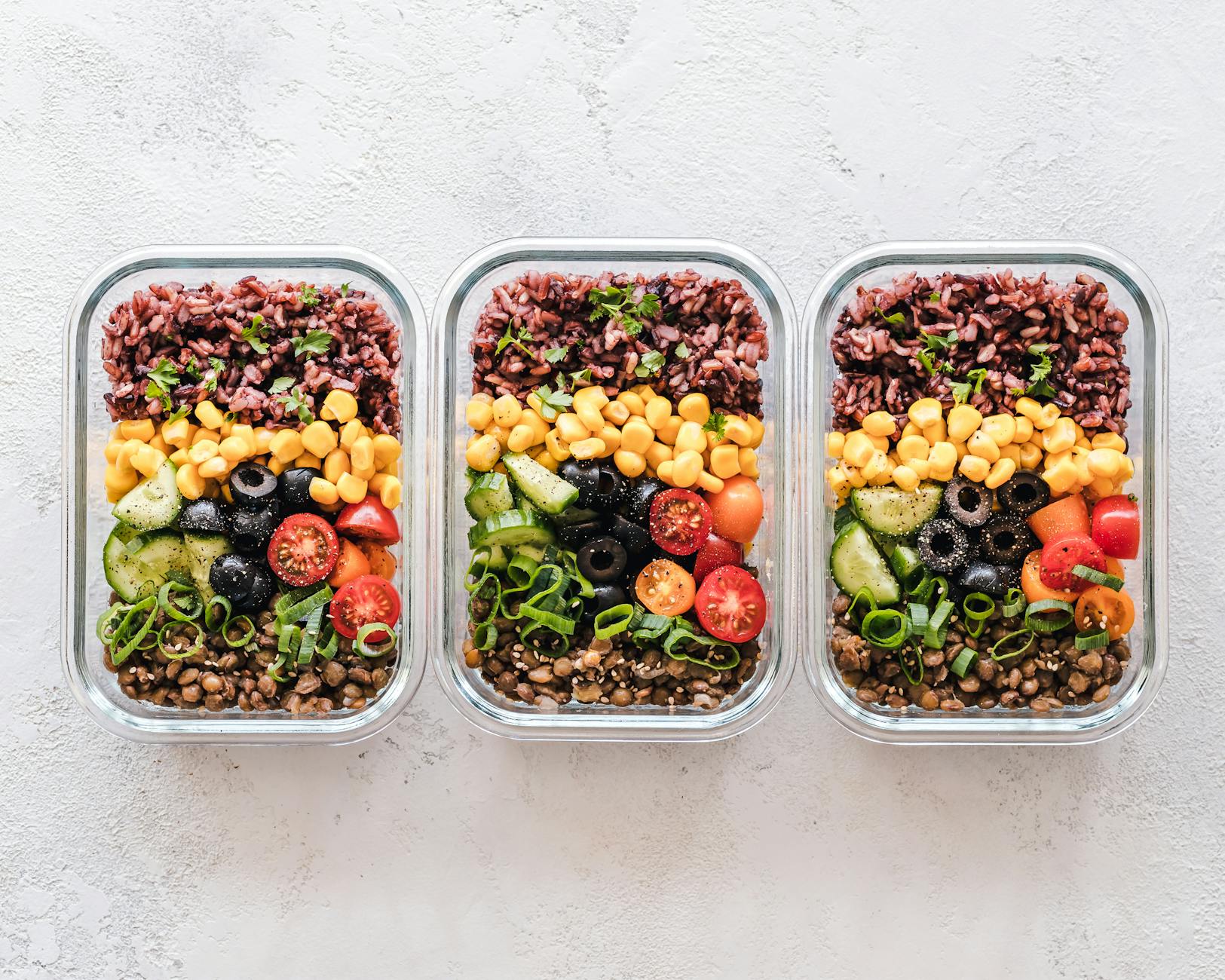
1) Start with a modest calorie deficit
A common evidence-based starting point is ~500–750 kcal/day deficit for many adults. (Diabetes Journals)
If you don’t track calories, use simple structure:
- prioritize protein at each meal
- keep sugary drinks and snacks limited
- build meals around minimally processed foods
2) Hit a protein target and lift
Higher protein intake supports lean mass outcomes with resistance training, and can help preserve muscle during weight loss. (PubMed)
(If you have kidney disease or other medical concerns, ask your clinician first.)
3) Increase daily movement
Even outside workouts, sitting less and moving more matters for health. (www.heart.org)
Simple wins: 5–10 minute walks after meals, taking stairs, short movement breaks during work.
How to know it’s working (without obsessing)
Track 2–3 metrics for 12 weeks:
- Waist measurement (weekly)
- Scale trend (2–4 weigh-ins/week, average them)
- Strength progress (reps or weights going up)
- Cardio progress (same pace feels easier or HR drops)
If your waist and/or scale isn’t moving after 2–3 weeks, adjust one lever:
- slightly reduce intake, or
- add 20–30 minutes of Zone 2 per week
Safety note
If you’re brand new, have major risk factors, or are returning after a long layoff, start conservatively and consider medical guidance—especially before harder interval work. The plan is designed to scale safely, but your health history matters.
References (science & guidelines)
- WHO 2020 physical activity guidelines (150–300 min/wk aerobic + muscle strengthening). (PMC)
- CDC adult physical activity guidance (aerobic + 2 days strength). (CDC)
- American Heart Association physical activity recommendations (aerobic + strength, sit less). (www.heart.org)
- Resistance training and mortality/cardiovascular risk reduction summary (AHA journal review). (American Heart Association Journals)
- Aerobic exercise dose-response effects on waist/body fat (JAMA Network Open meta-analysis, 2024). (JAMA Network)
- Energy deficit recommendations for weight loss (500–750 kcal/day commonly used). (Diabetes Journals)
- Protein + resistance training evidence for lean mass and strength outcomes. (PubMed)
 Tactical Element Performance Labs
Leave a comment